When Do Walleye Spawn in Minnesota?
Minnesota walleye spawn shortly after ice-out, peaking when water hits 42–50°F — usually April. Males show up first in water barely above freezing, and the big females arrive last.
Published
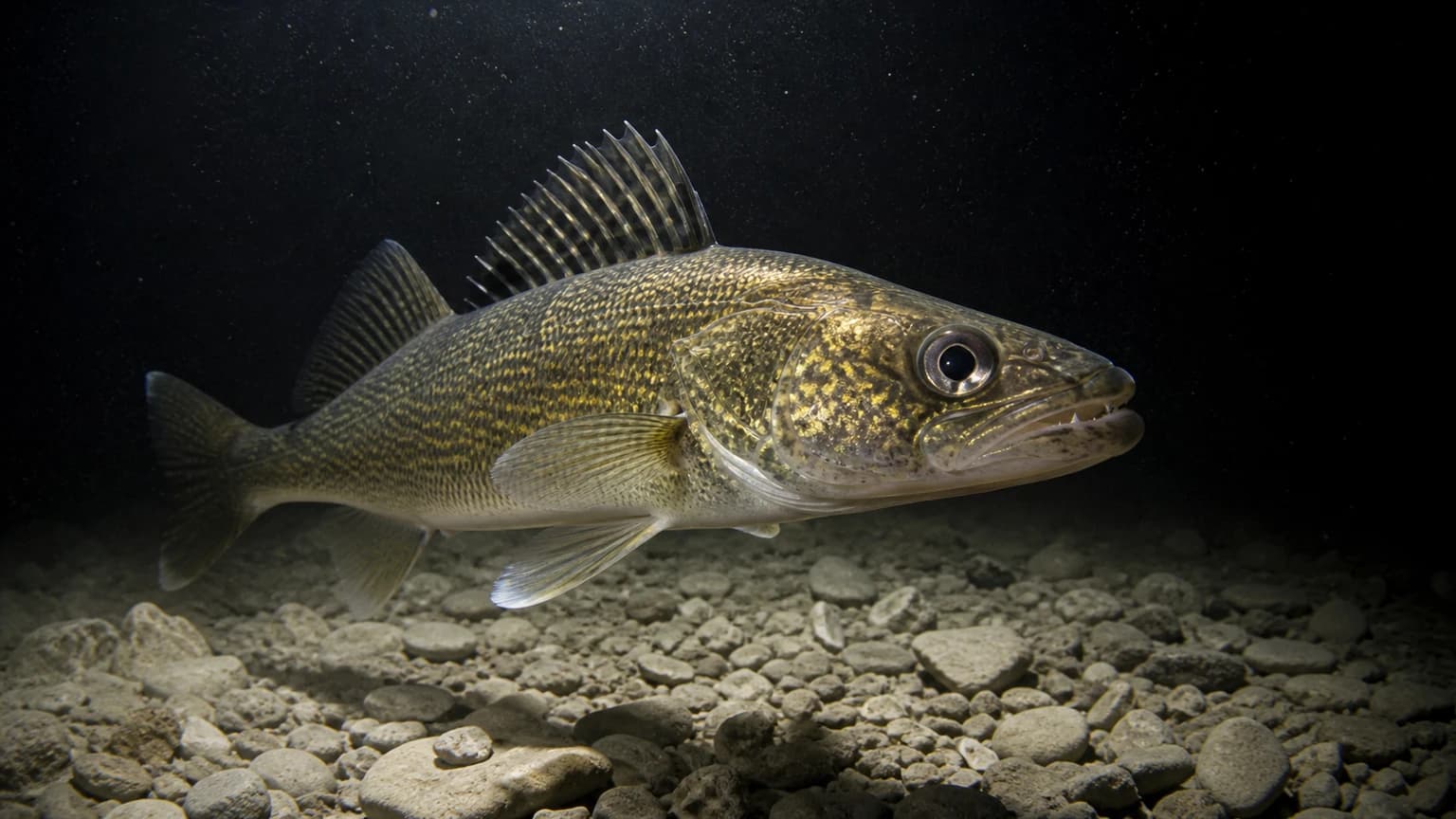
Minnesota walleye spawn shortly after ice-out, peaking when water reaches 42–50°F — in most years, through April. The migration starts earlier and colder, at 38–44°F, so fish are moving well before they are spawning.
Minnesota DNR puts it simply: 45°F is when the run really gets going.
Two temperatures, and the gap matters
This is the thing that trips people up. There is a migration figure and a spawning figure, and they are not the same:
| Event | Water temperature |
|---|---|
| Spawning migration begins | 38–44°F, soon after ice goes out |
| Spawning peaks | 42–50°F |
| Run "really gets going" | ~45°F |
So a river full of walleye at 40°F is a river full of staging walleye. They are there, they are catchable, and they are not spawning yet. That window is the one worth targeting.
Males first, big females last
Minnesota DNR notes a detail with real practical consequences: male walleye move into the spawning areas in early spring when the water may be only a few degrees above freezing. The larger females arrive later.
That explains something every spring walleye angler notices and few articles account for — the early run is all small fish. If you are catching nothing but 14-inch males, you are not fishing badly and the run is not poor. The females simply have not arrived.
A five-pound female carries more than 100,000 eggs, and can carry as many as 600,000. Those are the fish that show up as the water climbs through the mid-40s.
Where they spawn, and why current matters
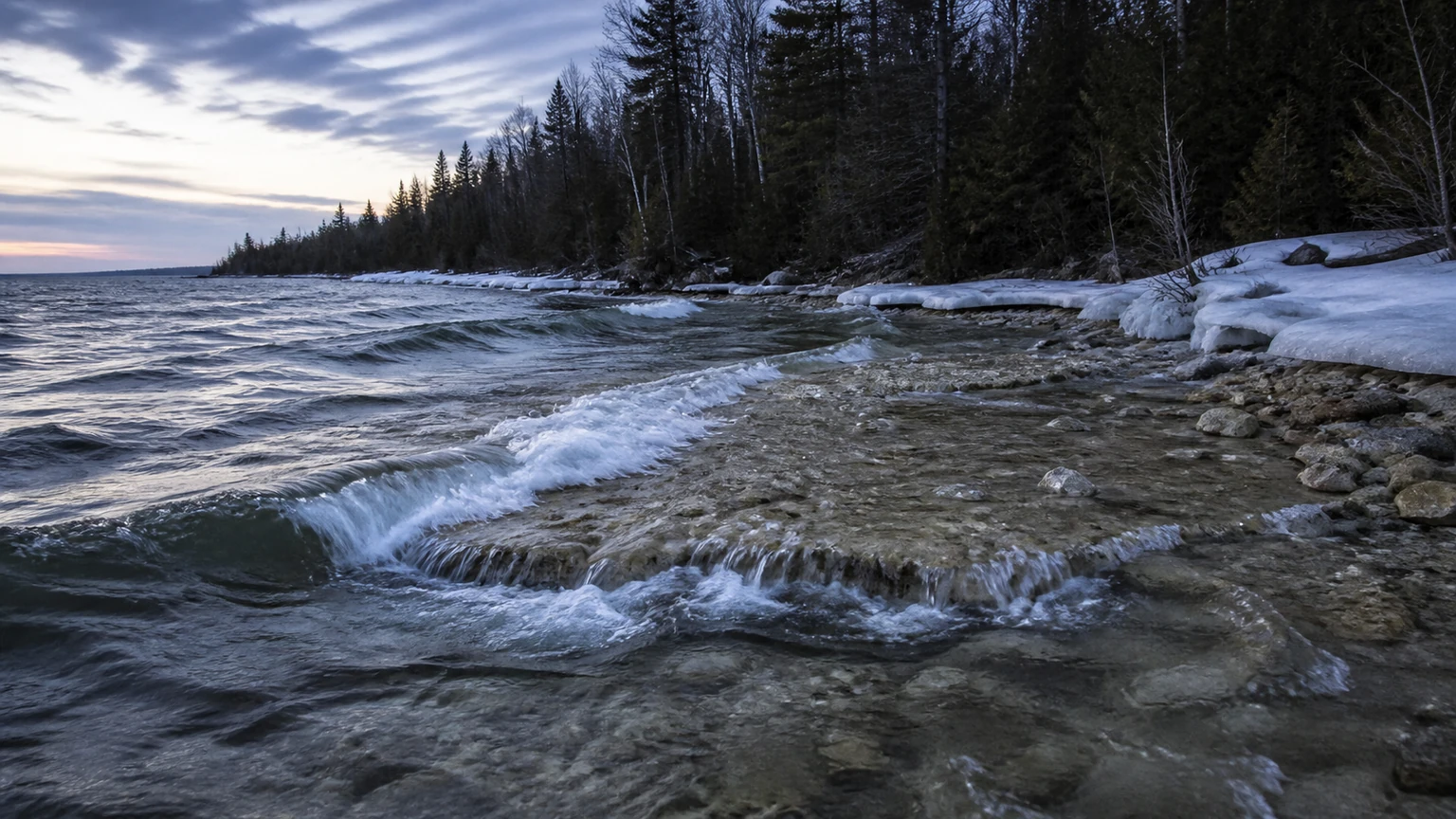
Walleye spawn over rock, rubble and gravel, either in rivers or on windswept shallows, in one to six feet of water.
The critical part is why: moving water — river current or wave action on an exposed shore — clears fine sediment away and keeps the eggs aerated.
That is because walleye do almost nothing for their eggs. Wisconsin DNR is blunt about it: walleye are not territorial at spawning time; they broadcast their eggs and exercise no parental care. No nest, no guarding, nothing. The eggs are scattered onto clean rock and abandoned.
Which means the water has to do the work the fish does not. Silted gravel in a calm bay is worthless; the same gravel on a windswept point or in a river run is prime.
Where to look:
- River mouths and the runs above them — the classic Minnesota spring pattern.
- Windswept shorelines and points with rock or rubble in 1–6 feet.
- Reef tops and rocky bars exposed to prevailing wind.
- Below dams and rapids, where fish stack against the first barrier.
Timing across Minnesota
Because everything keys off ice-out, Minnesota's spread is large — the south can be spawning while the border lakes are still locked.
| Region | Ice-out | Spawning peak |
|---|---|---|
| Southern Minnesota | Late March – early April | Mid-April |
| Central Minnesota | Early-to-mid April | Mid-to-late April |
| Northern Minnesota and the border lakes | Mid-April – early May | Late April – early May |
This table is modelled, not measured. It applies the 42–50°F peak to Minnesota's normal ice-out gradient. The measured anchors are the temperatures themselves, not the dates.
And the variance is real: biologists have recorded walleye laying eggs in Minnesota and Wisconsin as early as 5 March and as late as 7 May. That is a two-month spread. Any article that gives you a fixed week is guessing.
Track ice-out, then track a thermometer. In this state, that beats a calendar by a wide margin.
Fishing it
Minnesota's walleye season opener is set by regulation and is deliberately timed relative to the spawn, and inland and border waters differ. Check the current Minnesota fishing regulations before planning — this is one of the more consequential season rules in the state.
Where and when fishing is open:
Pre-spawn staging (38–44°F). Fish are concentrated below barriers and near spawning structure. Slow presentations — a jig and minnow worked deliberately, or a lightly weighted live-bait rig. Nothing chases in 40°F water.
Peak spawn (42–50°F). Fish are on the rocks, largely at night. Numbers are high and average size is odd — lots of small males around the periphery.
Post-spawn. Females are spent and often lethargic for a week or two before feeding hard. They pull back to the first break off the spawning structure. This is when the year's biggest fish become catchable again.
Handle big spring females well. A large April walleye is a female carrying or recovering from an enormous egg load, and she took many years to reach that size. Keep her horizontal, out of the water briefly, and get her back.
Related
- Seasonal fishing and verified spawning temperatures — where walleye sits against the other verified species.
Sources
- Walleye — Fishes of Wisconsin, Wisconsin DNR — the spawning migration beginning soon after ice-out at 38–44°F; spawning peaking at 42–50°F; walleye not being territorial at spawning time, broadcasting eggs and exercising no parental care.
- Walleye biology and identification — Minnesota DNR — the run getting going around 45°F; males entering spawning areas first when water is only a few degrees above freezing, with larger females arriving later; spawning over rock, rubble and gravel in rivers or windswept shallows in 1–6 feet where current clears sediment and aerates eggs; a five-pound female depositing more than 100,000 eggs.
The regional timing table is modelled: it applies the 42–50°F peak-spawning range to Minnesota's normal ice-out gradient. The measured figures here are the temperatures, not the dates — recorded egg-laying in Minnesota and Wisconsin spans 5 March to 7 May. Track ice-out and carry a thermometer.
Frequently asked questions
- When do walleye spawn in Minnesota?
- Shortly after ice-out, generally through April. The spawning migration begins at 38–44°F and spawning peaks at 42–50°F. Minnesota DNR describes the run as really getting going around 45°F. Because it keys off ice-out, the date moves by weeks between years and between the south and the north of the state.
- What water temperature do walleye spawn at?
- Peak spawning happens at 42–50°F. The migration starts earlier and colder, at 38–44°F, so fish are moving well before they are spawning. Males enter the spawning areas first, when water may be only a few degrees above freezing.
- Where do walleye spawn?
- Over rock, rubble and gravel in rivers, or on windswept shallows, in one to six feet of water. The current or wave action matters as much as the substrate — it clears fine sediment away and keeps the eggs aerated.
- Do walleye build nests or guard their eggs?
- Neither. Wisconsin DNR notes walleye are not territorial at spawning time — they broadcast their eggs over the substrate and exercise no parental care at all. This is why current and clean rock matter so much: nothing tends the eggs afterwards.
- Do male or female walleye arrive first?
- Males. They move into the spawning areas in early spring when the water may be only a few degrees above freezing, and the larger females arrive later. That is why early-run catches are dominated by small fish.
Gear for this
 AccessoriesCheck price on Amazon
Stream & Lake Water Thermometer
The one piece of kit every spawn article on this site tells you to carry.
ChronicAnglers is reader-supported. When you buy through links on our site, we may earn an affiliate commission at no extra cost to you.