Lead story
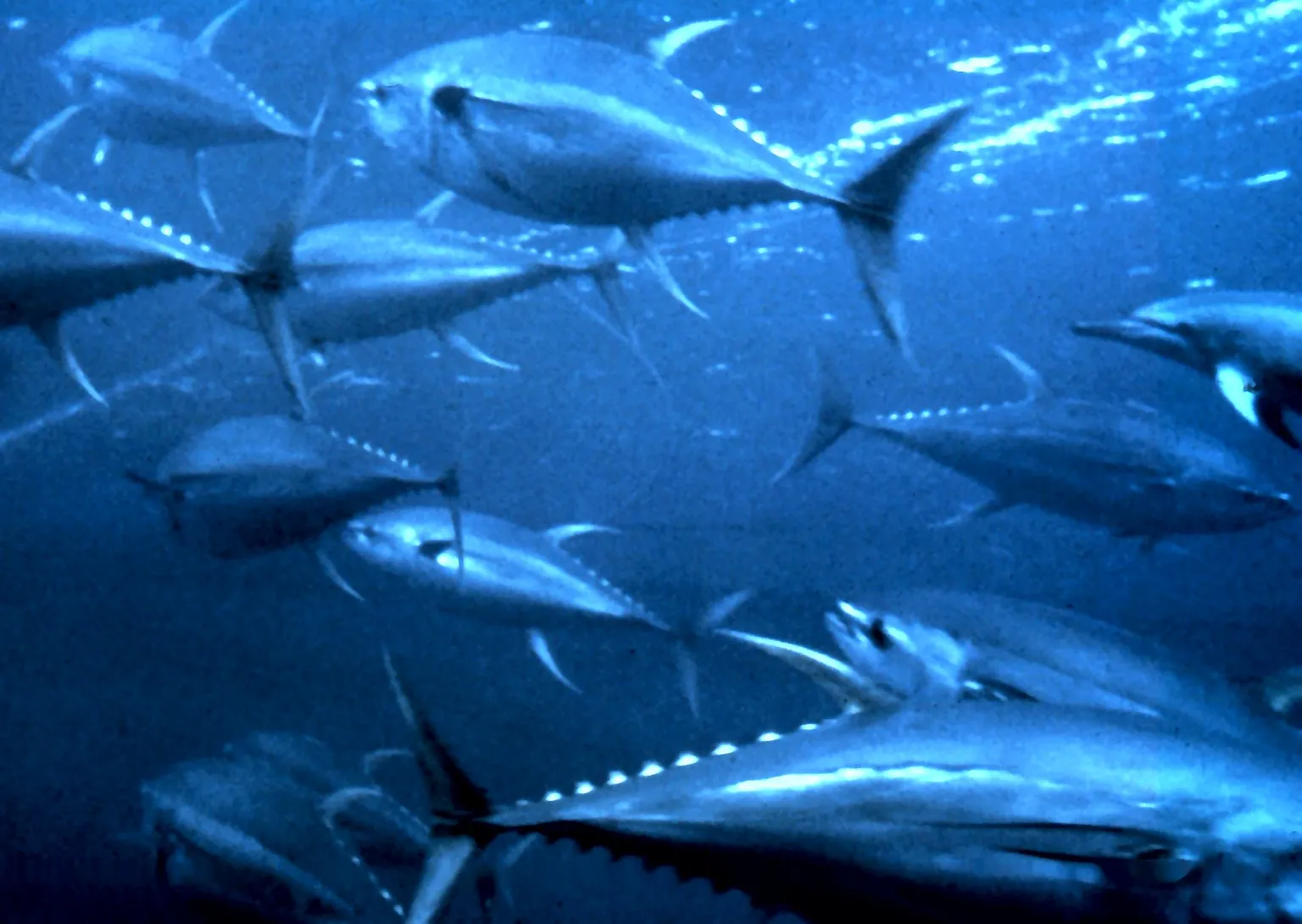
Yellowfin Tuna: Find the Thing They Are Under
A yellowfin can reach 400 pounds and will be dead of old age at six or seven. It matures at two and then spawns nearly every day. That life on fast-forward explains both why the stocks hold up under heavy fishing and why finding them means finding something they are gathered under.
Checked against the agency that set it · ChronicAnglers
In brief
Alaska
Kenai king salmon closed for 2026 — catch-and-release included
ADF&G emergency order 2-KS-1-7-26
New York
Inline circle hooks are required with bait for striped bass
NY DEC · checked 18 Oct 2026
North Carolina
A screenshot is not a permit at Cape Hatteras
NPS · printed proof only
Florida
Permit harvest shuts in the Keys, 1 April – 31 July
FWC Special Permit Zone
Great Lakes
USGS dropped “Asian carp” for “invasive carp” — and published why
Four species, four different problems
- Live conditions at every US spot →
Water temperature, wind, waves and tides from NOAA
Lines
Top 5 Braided Fishing Lines
Braid gives you almost no stretch and far more strength per diameter than nylon. Inside the category, strand count decides how it casts, and that single fact should drive most of the choice.
5 reviewed
Hooks
Top 5 Circle Hooks
A circle hook rotates into the jaw hinge as the line comes tight, without a strike. That is why so many agencies now require them, and why the fish you release actually survive.
5 reviewed
Accessories
Top 5 Fishing Pliers
Pliers decide whether a hook comes out of a fish quickly or slowly, and how much of your hand is involved. In salt the only question that matters is whether they still open next season.
5 reviewed
learn
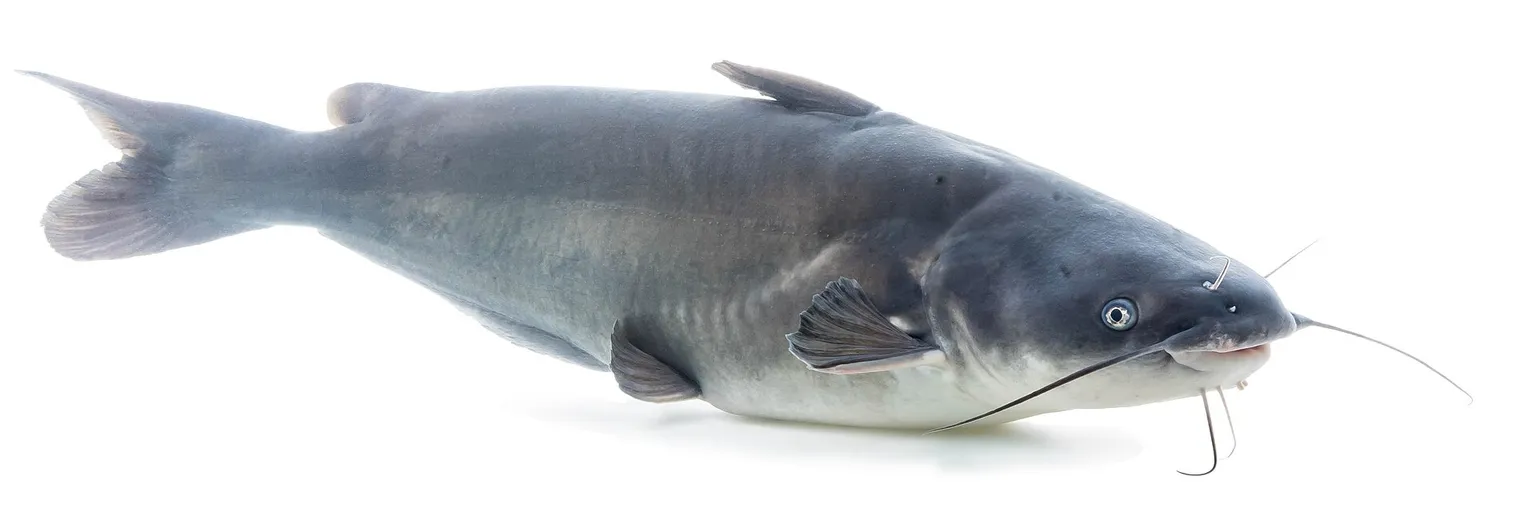
Blue Catfish: The One Fish You Are Asked to Keep
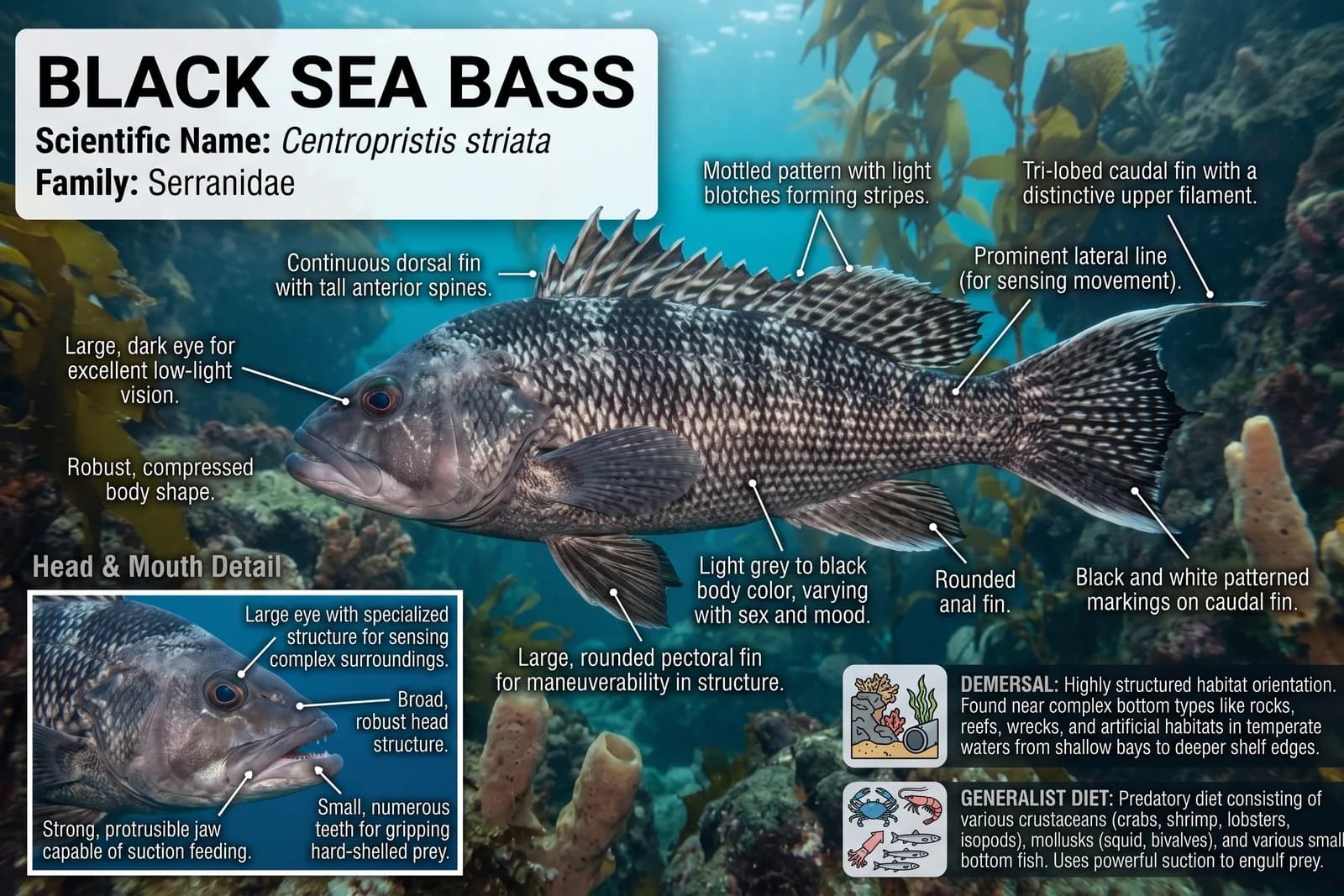
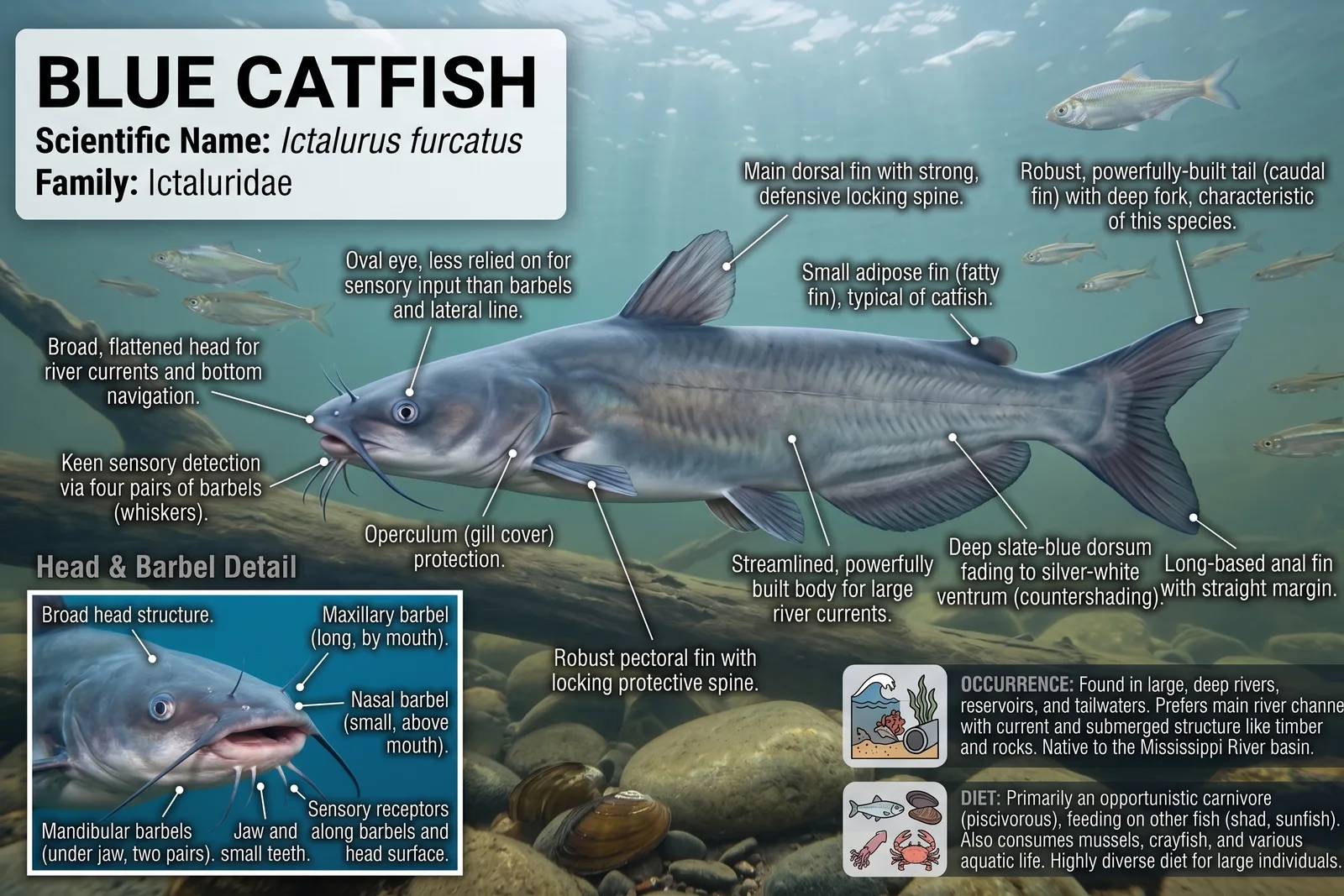
Almost every fish on this site comes with an argument for putting it back. Blue catfish in the Chesapeake are the exception, and it is not a matter of opinion — they were stocked on a wrong assumption about salinity, spread across the Bay, and NOAA now describes them as apex predators throwing the food web off balance.
learn
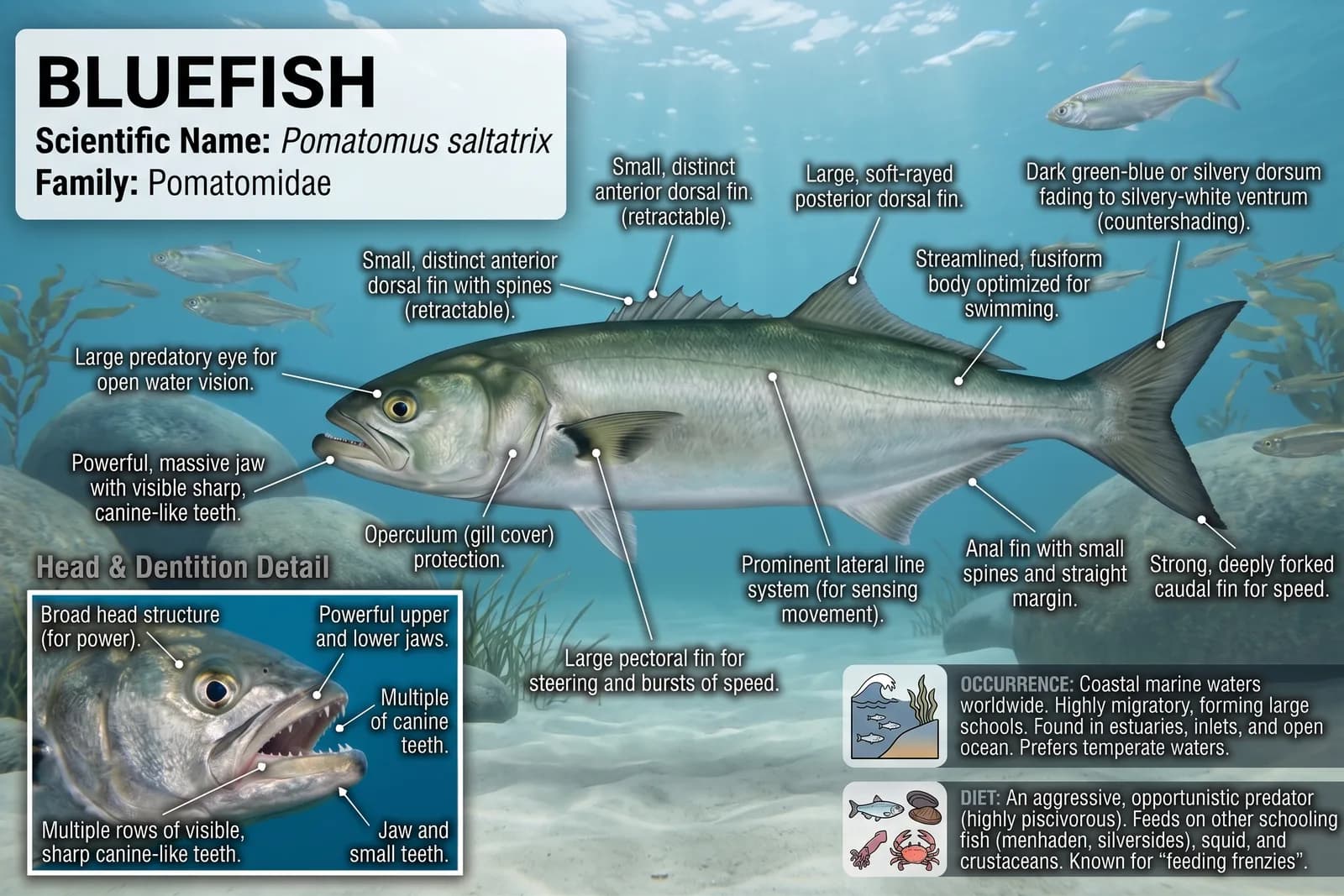
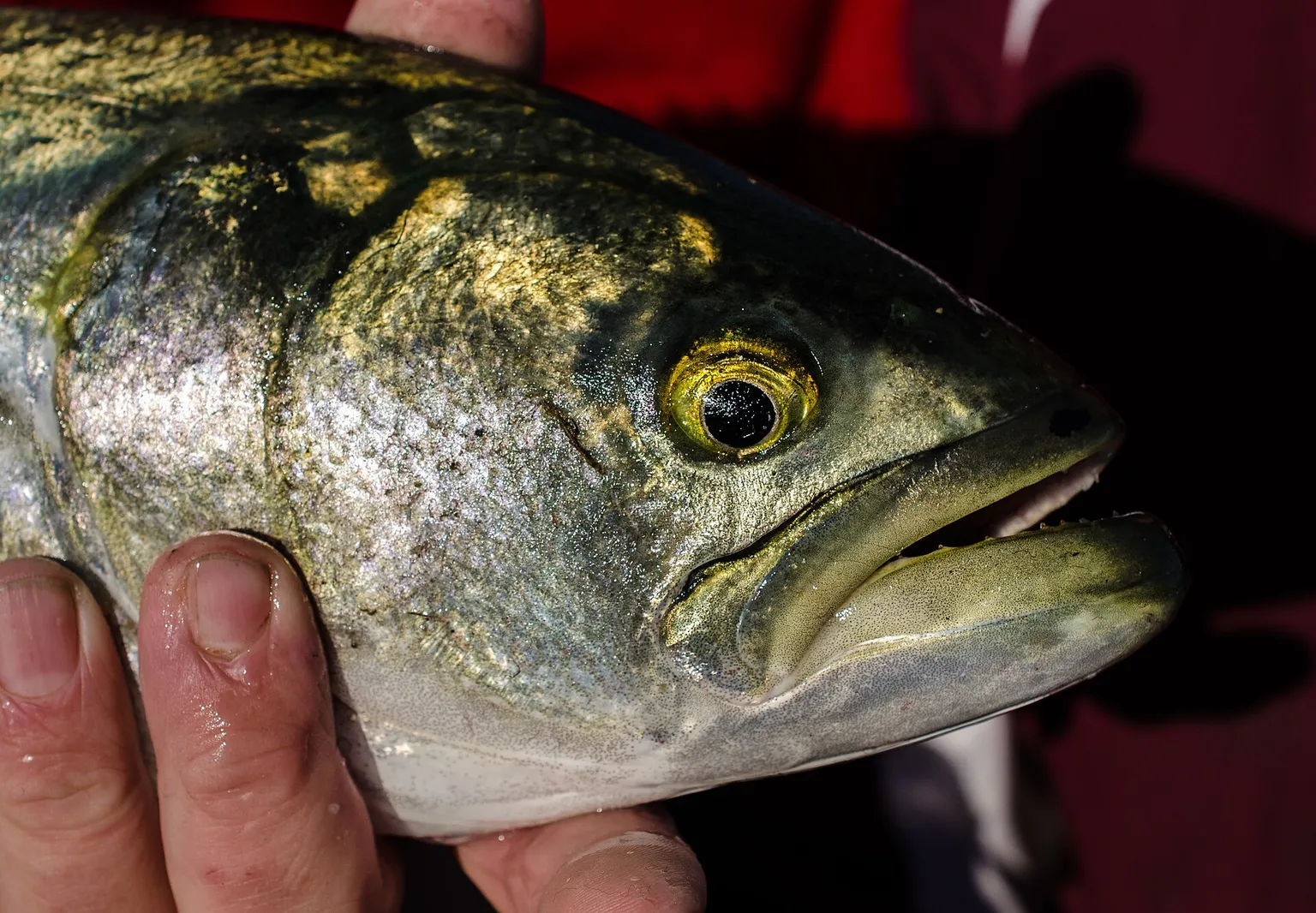
Bluefish: How to Catch Them, and Why You Need a Bite Trace
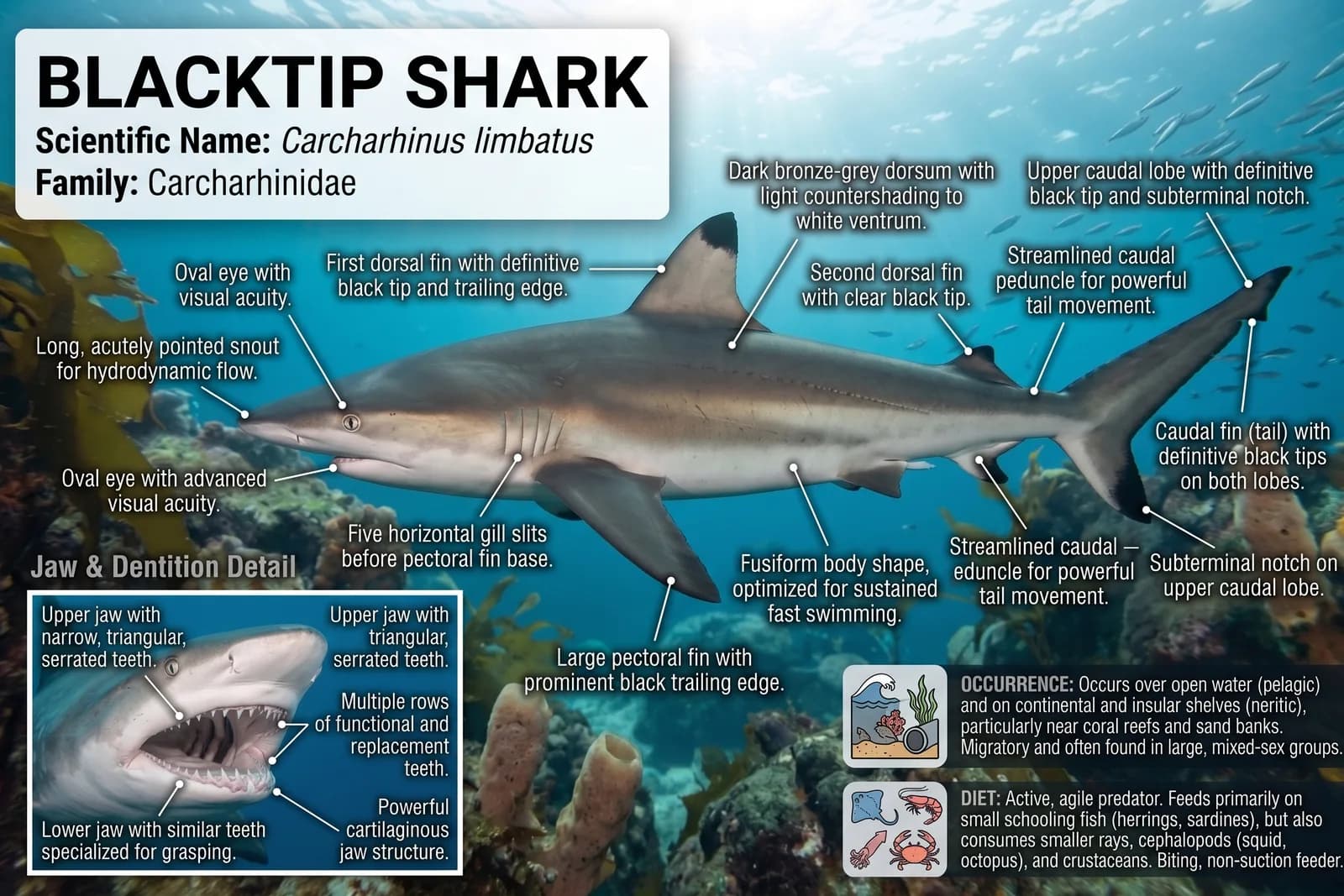
NOAA puts it plainly: once a bluefish is grown, only sharks, tunas and billfishes are large and fast enough to prey on it. That tells you most of what you need to know about how to fish for them — and why the last twelve inches of your rig decide whether you land anything.
learn
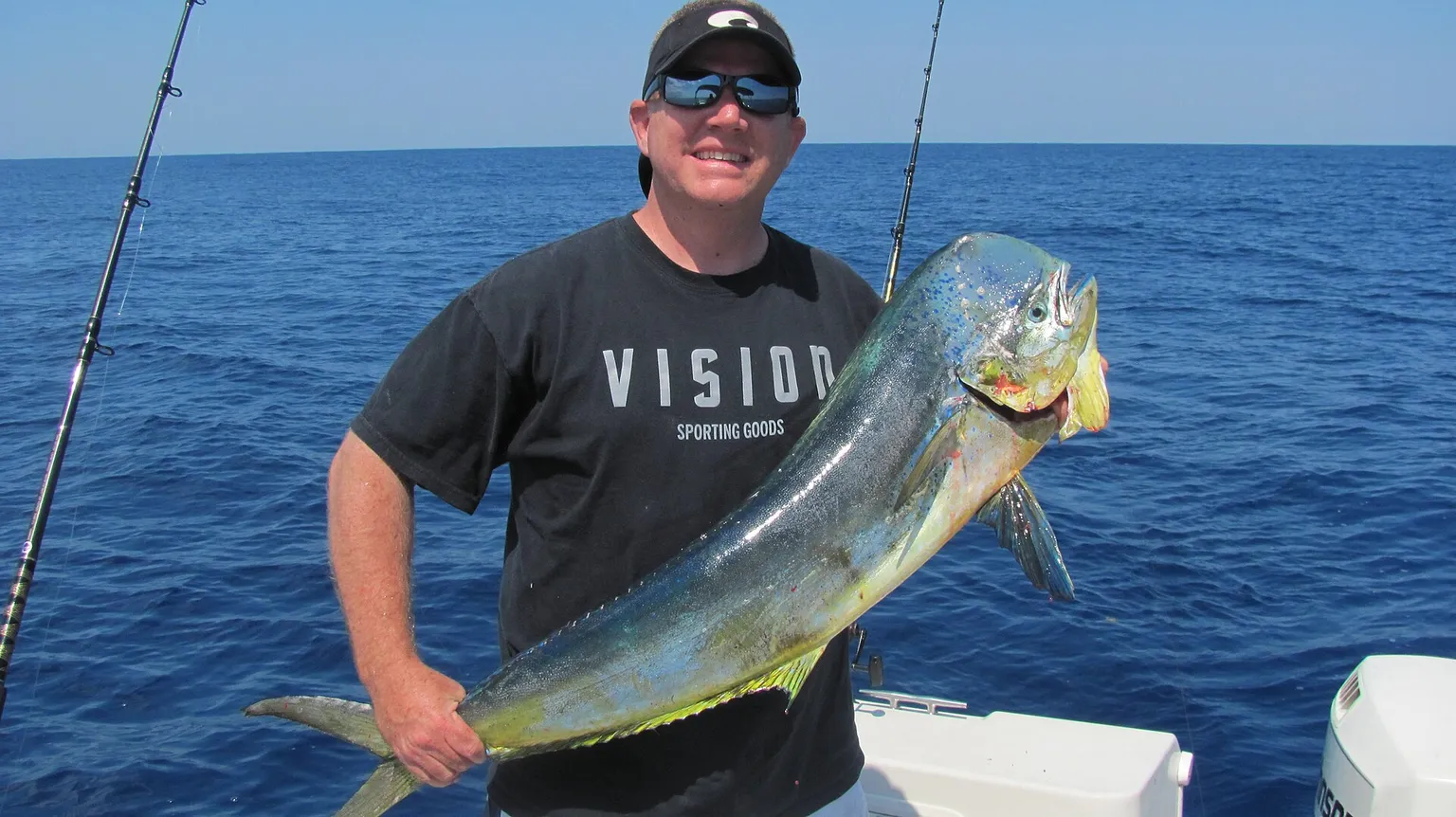
Mahi Mahi: Find the Weed Line, Find the Fish
A mahi can reproduce at four to five months old and will be dead of old age by five years. Everything about the fishery follows from that compressed life: the boom-and-bust abundance, the fact that no one can assess the stock properly, and the reason you look for floating weed rather than for fish.
learn
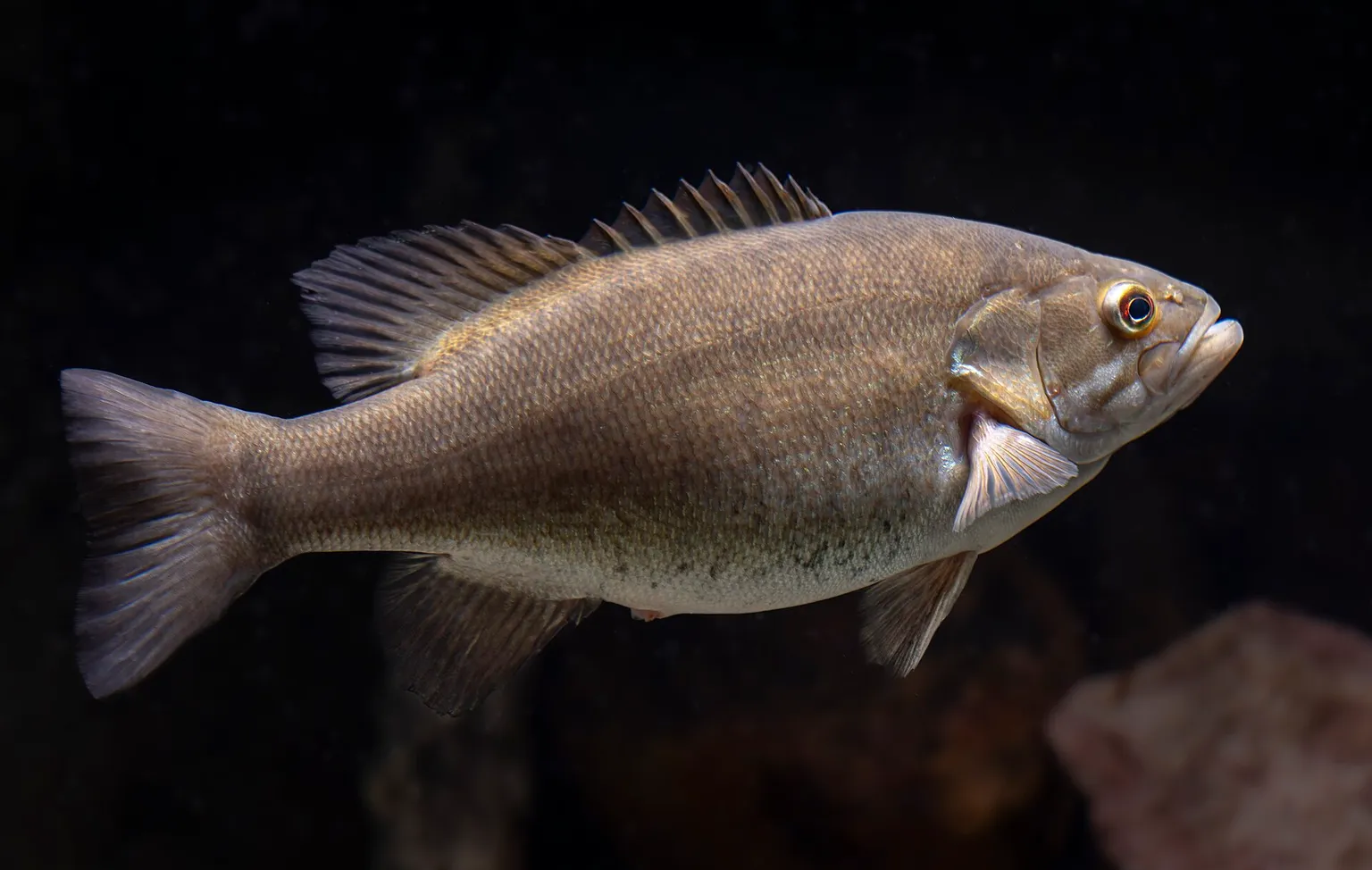
Smallmouth vs Largemouth Bass: How to Tell Them Apart
Colour is the first thing people reach for and the least reliable thing there is — a smallmouth from clear rock and a largemouth from a tannic pond can look like the same fish. The jaw settles it, two state agencies word it identically, and it works on a fish you have never seen before.
fishing-spots
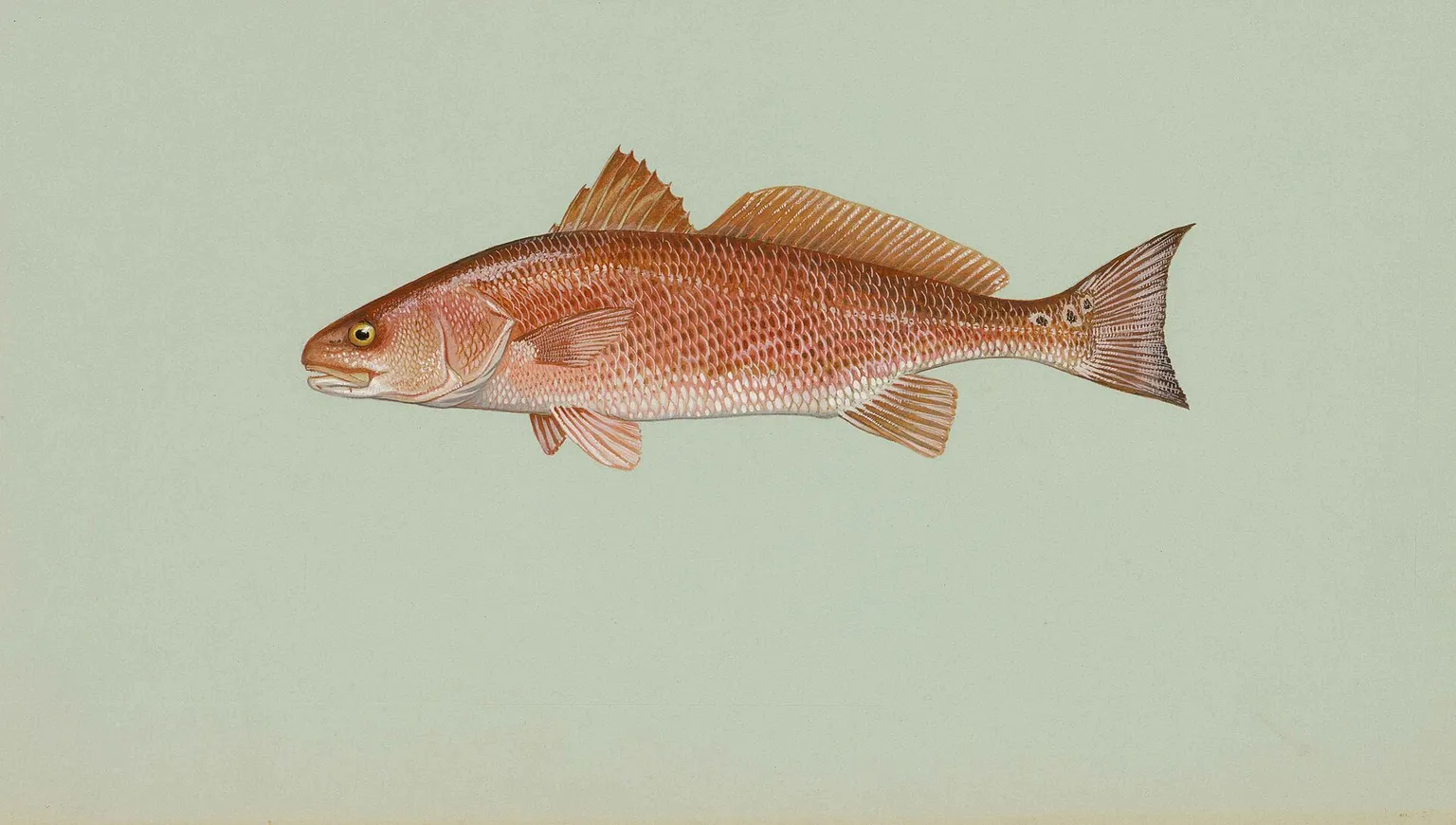
Bull Redfish: Why the Big Ones Go Back
A red drum can live past 40 years and matures at three to six — almost exactly when it grows out of the slot limit. That is not a coincidence, it is the design. Which means every bull red you hook in the autumn run is a breeding adult, and how you handle it matters more than with any other inshore fish.
learn
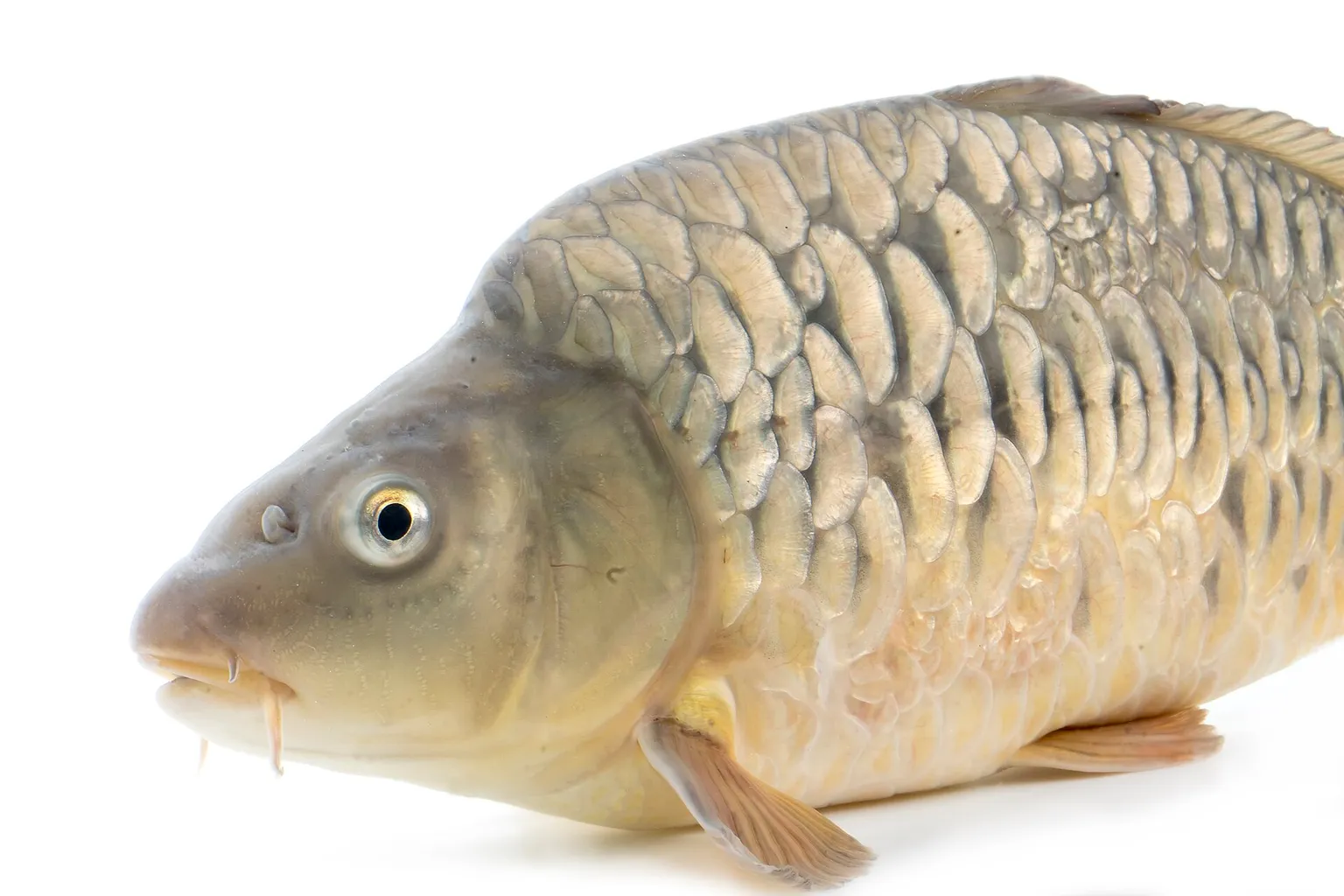
Carp Species in North America
Five carp matter to a US angler, and two of the names people use are not species at all. Mirror and leather are varieties of common carp. The four genuinely separate invaders are bighead, silver, grass and black — and USGS no longer calls them Asian carp, for reasons it has published.
learn
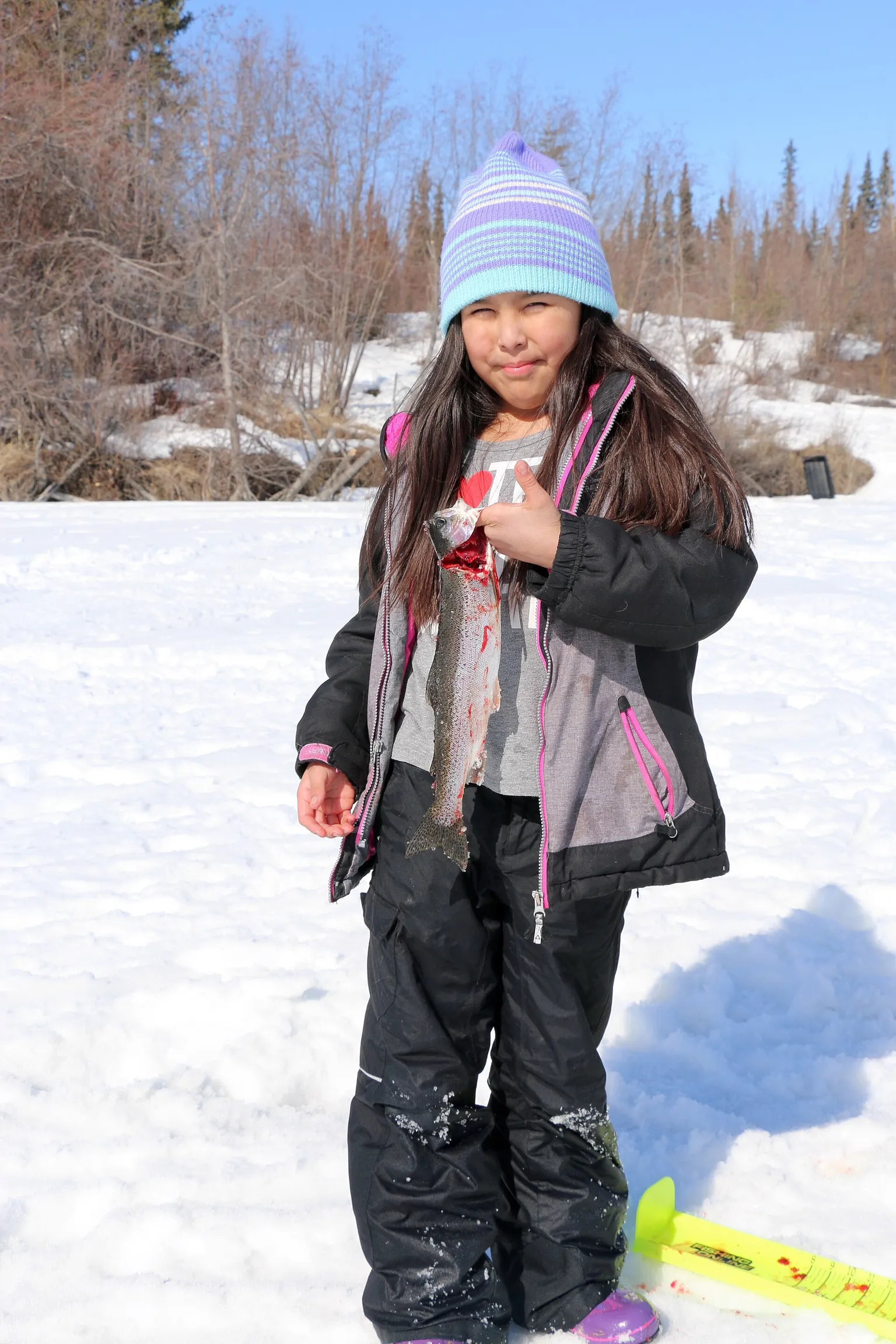
How to Catch Walleye Through the Ice
A walleye's eye is built for gloom, and snow-covered ice creates exactly that. Wisconsin DNR puts winter walleye along shorelines and in shallow bays, taken on tip-ups with minnows. The rest is timing: the low-light windows at each end of the day are the whole pattern.
learn
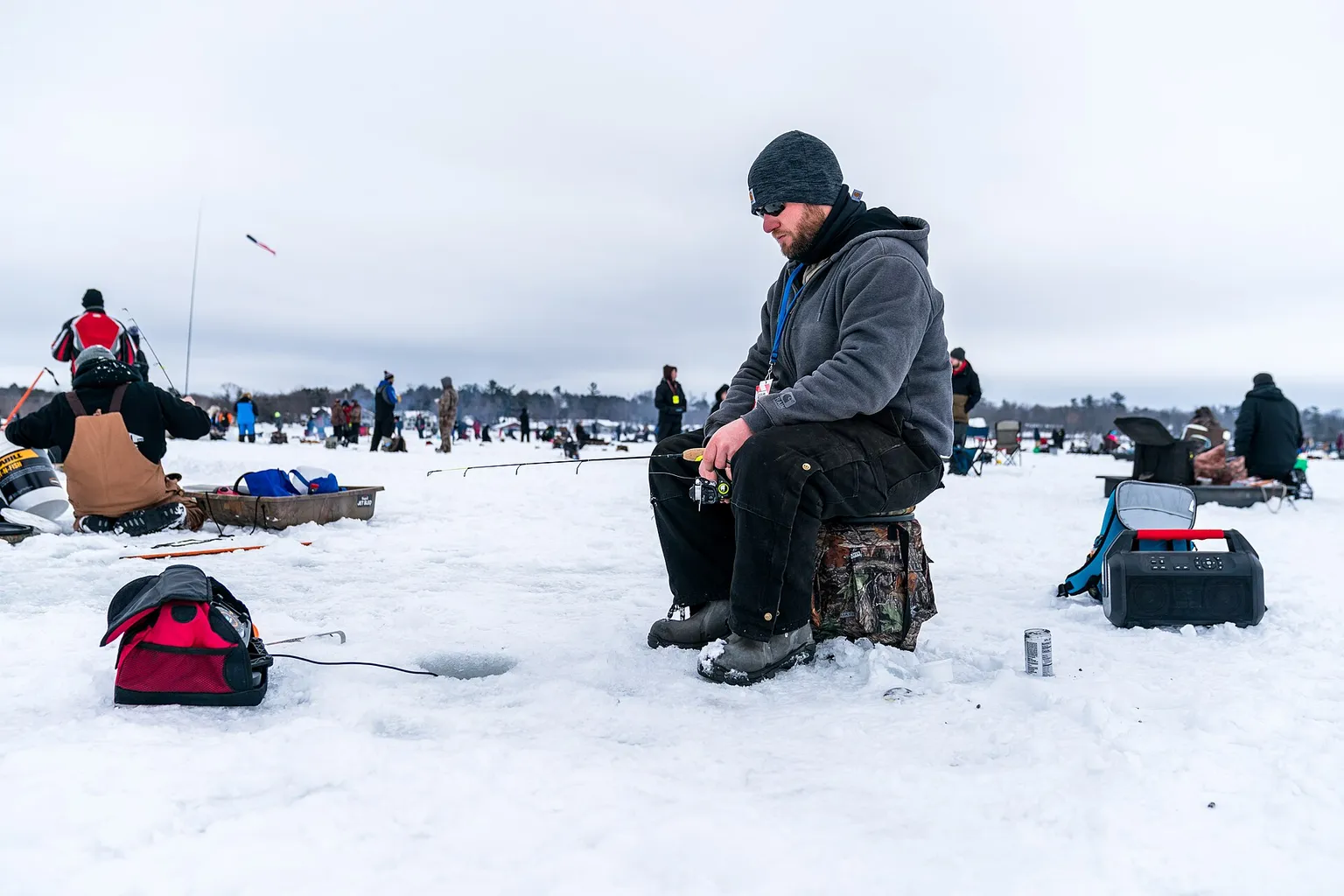
Ice Fishing for Beginners
Minnesota and Wisconsin say the same two things independently: there is no such thing as 100 percent safe ice, and neither agency measures it for you. Start there. Then the rest is simpler than it looks — a hole, a short rod, and knowing what depth to fish.
Know the water before you drive to it.
Current water temperature, wind, waves and tide times from the nearest NOAA stations, for every US spot we cover.