Florida Keys · United States
Fishing the Florida Keys
The complete angler's guide to America's saltwater Grand Slam capital.
- Tarpon
- Bonefish
- Permit
- Sailfish
- Mahi-mahi
- Snapper
- Grouper
There is no other 113-mile stretch of road on earth where you can chase a tailing permit on a sunrise flat, drift live pilchards over a coral reef by midday, and troll for sailfish in 1,200 feet of water before dinner — all from the same island chain. The Florida Keys aren't just a fishing destination; they're the one others get measured against. Islamorada calls itself the "Sport Fishing Capital of the World," and for once the slogan undersells it.
Overview & Appeal
What makes the Keys singular is water diversity within casting distance. Three completely different fisheries stack up side by side:
- The Flats & Backcountry: skinny, gin-clear water where you sight-cast to the "Big Three" — bonefish, permit, and tarpon. Land all three in a day and you've earned the legendary Flats Grand Slam; add a snook for a Super Slam.
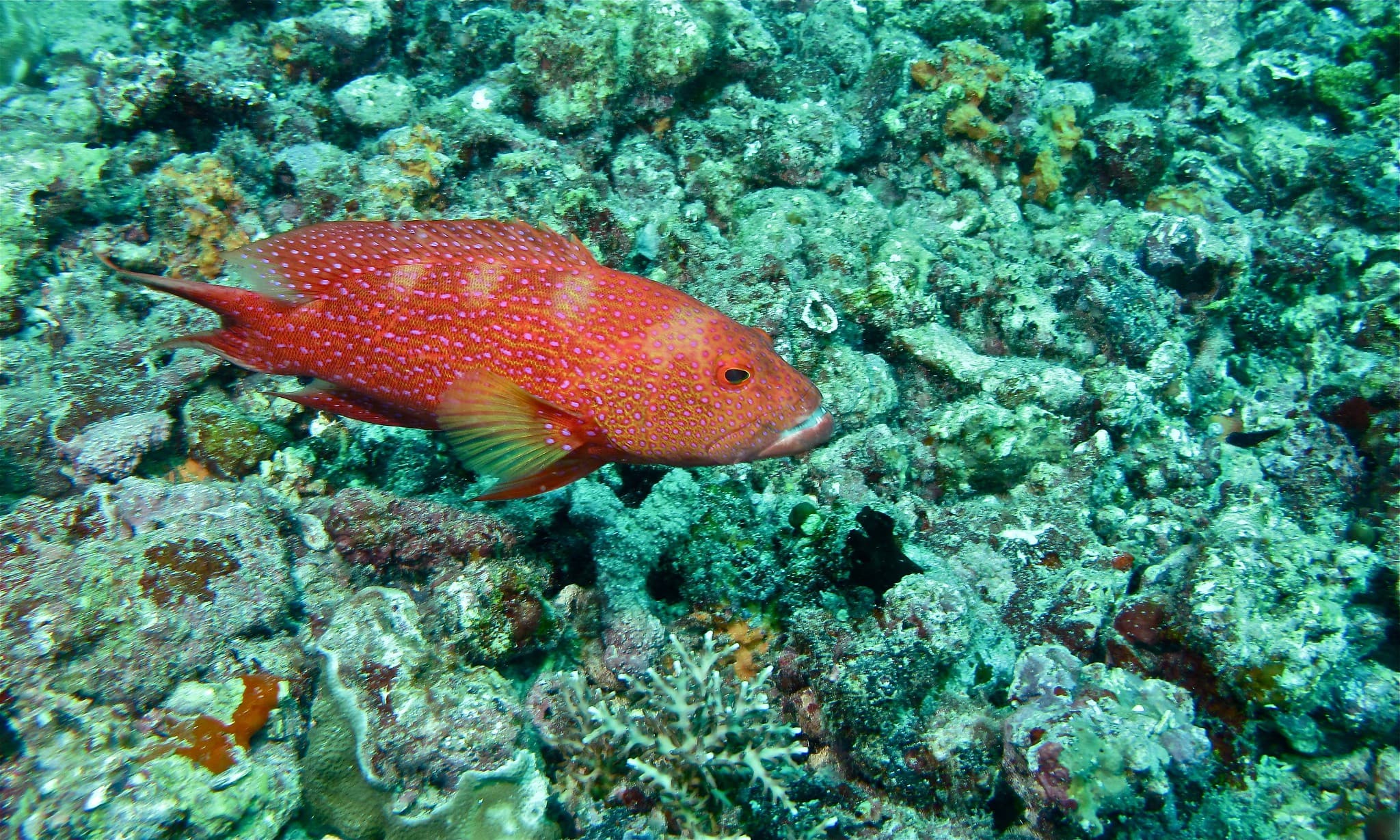
- The Reef & Wrecks: the only living coral barrier reef in the continental U.S., holding yellowtail, mutton and mangrove snapper, grouper, cero mackerel, and cobia.
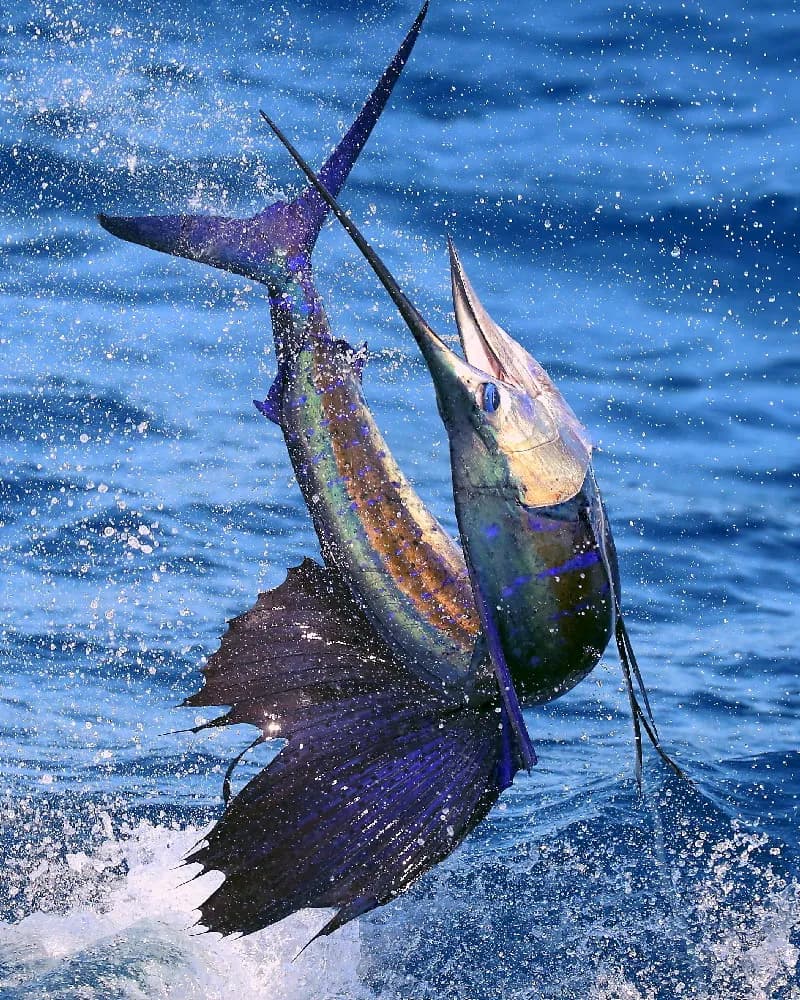
- The Bluewater: the Gulf Stream runs close to shore, bringing sailfish, mahi-mahi, blackfin tuna, wahoo, kingfish, and marlin.
Know your zones
The Keys fish differently as you drive south. Mile markers (MM) count down from Key Largo (MM 106) to Key West (MM 0).
| Region | Anchor Towns | Signature Fishery |
|---|---|---|
| Upper Keys | Key Largo, Islamorada (MM 106–74) | Backcountry tarpon, bonefish, sailfish, reef snapper; Everglades gateway |
| Middle Keys | Marathon, Duck Key (MM 74–47) | Bridge tarpon, mixed reef & wreck, easy Gulf Stream access |
| Lower Keys | Big Pine, Bahia Honda, Key West (MM 47–0) | Vast pristine flats (permit heaven), Marquesas, wrecks, blue-water runs |
Getting There & Logistics
Airports & hubs
- Miami International (MIA): ~1 hr to Key Largo, ~3.5 hrs to Key West. The most flights; most Upper/Middle Keys anglers fly here.
- Fort Lauderdale (FLL): similar drive, often cheaper fares.
- Key West International (EYW): fly straight in for the Lower Keys — saves a long drive, but fares run higher.
Everything connects via US-1, the Overseas Highway — a single two-lane road for much of its length. There is no shortcut; budget extra time on winter weekends.
Access points
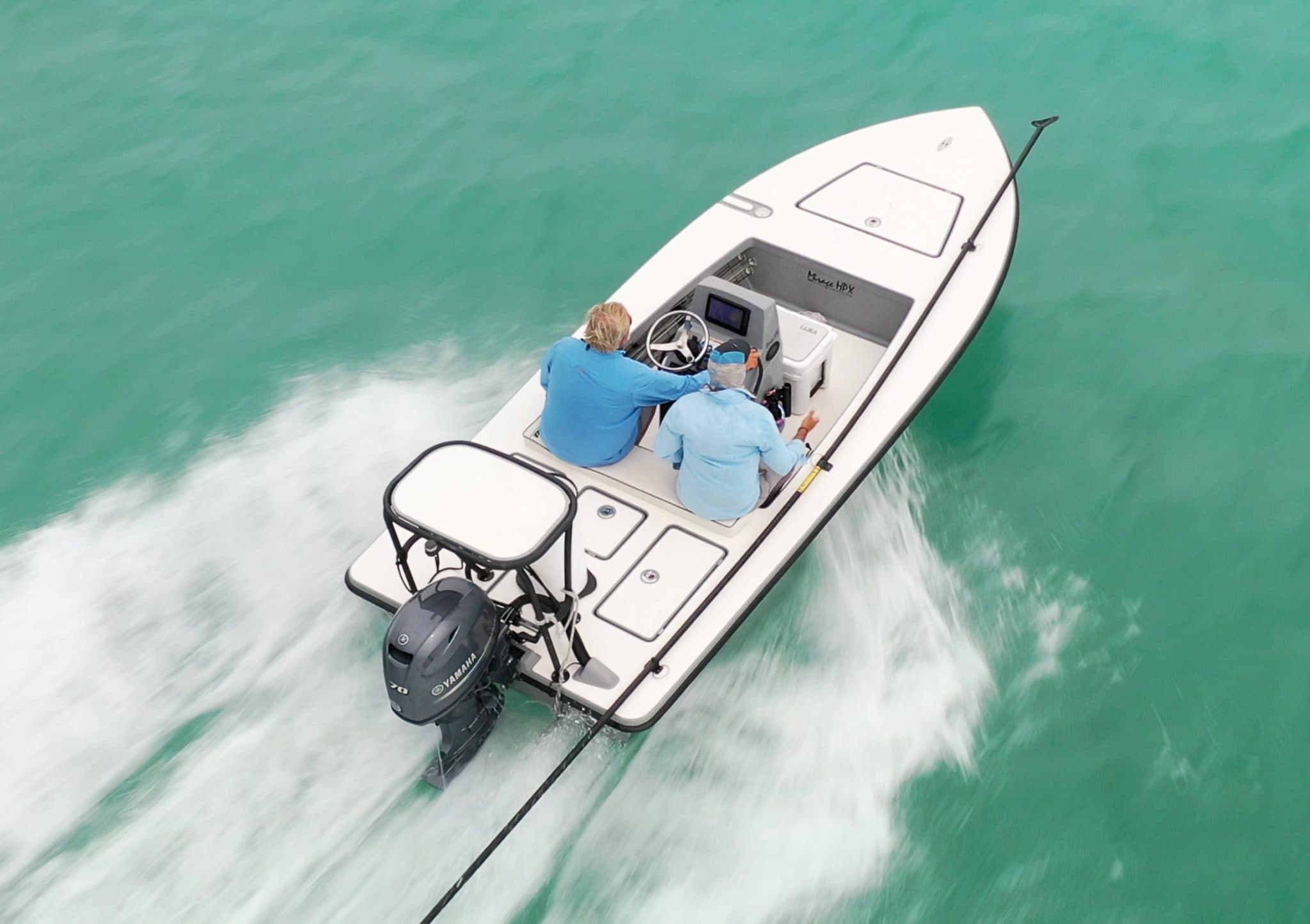
- By charter (best for first-timers): the fastest path to fish. Flats guides pole 16–18 ft skiffs; offshore boats run 30–40+ ft. Book reputable captains months ahead for tarpon and sailfish season.
- Shore & bridge fishing: the old bridge sections (Seven Mile, Bahia Honda, Channels #2 and #5) are legendary land-based tarpon and snapper spots.
- Public ramps: Founders Park (Islamorada), Harry Harris Park (Tavernier), plus ramps in Marathon and Key West. Trailering your own skiff is very doable.
Safety notes
- Sun and heat are the real danger — UPF clothing, a buff, polarized glasses, and reef-safe sunscreen are not optional.
- Afternoon storms build fast in summer; watch the western sky and get off the water early.
- Shallow-water navigation: running a flat you don't know damages seagrass (illegal and finable) and your lower unit. If you don't know it, pole it.
Best Seasons & Timing
The Keys fish 365 days a year — the question is what's biting. Time your trip to a target.
| Species | Prime Months | Notes |
|---|---|---|
| Tarpon (migratory) | Apr – Jun | Peak silver-king run; bridges & Bahia Honda channel |
| Bonefish | Mar – Oct | Year-round; spookiest in dead calm |
| Permit | Mar – Jun & Sep – Nov | Also found on wrecks in summer |
| Sailfish | Dec – Apr | Cold fronts trigger the downwind "tailing" bite |
| Mahi-mahi | May – Aug | Weed lines and frigate birds offshore |
| Wahoo / Blackfin tuna | Nov – Apr | High-speed trolling & the humps at dawn |
| Yellowtail snapper | Year-round | Bread-and-butter reef fish; night bite excellent |
Time of day & tide
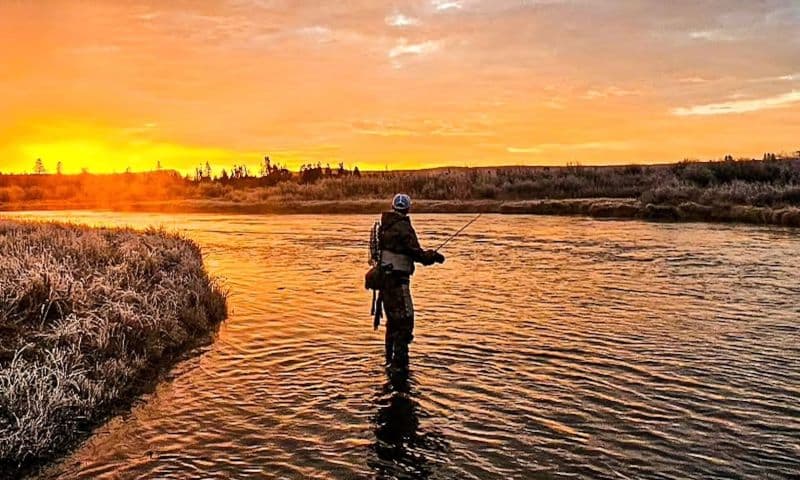
- Flats: fish the moving water around a tide change — incoming pushes fish onto flats; the last of the falling tide concentrates them in channels. Early and late light is best.
- Tarpon: strong moving tides, especially the outgoing at the bridges after dark when they stack to ambush bait.
- Reef snapper: a running tide turns the bite on; slack water kills it. Night chumming is deadly.
- Offshore: early bite is prime, but follow the birds, bait, and weed lines — not the clock. Cold fronts fire the sailfish bite.
Recommended Gear & Strategy
Match your tackle to the zone. Field-proven setups:
Flats & backcountry
- Bonefish: 7 ft medium-light spin (2500–3000 reel, 10 lb braid, 15–20 lb fluoro) with live shrimp or a light jig — or an 8-wt fly with Gotcha/shrimp patterns. Lead the fish and land it softly ahead of its path.
- Permit: a live crab is the great equalizer (8 ft rod, 4000 reel, 30 lb leader), or a 9–10 wt fly with a Merkin crab. Presentation and patience beat everything.
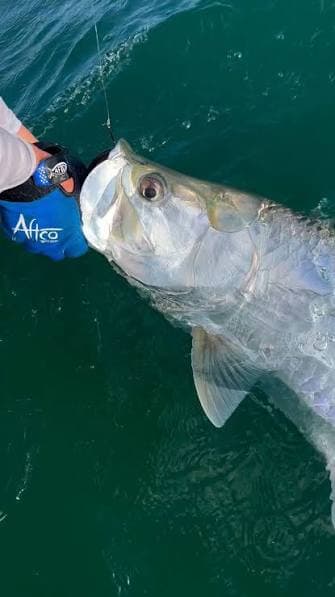
- Tarpon: 7–8 ft heavy spin (6000–8000 reel, 50–65 lb braid, 60–80 lb fluoro shock) with live mullet, crabs, or swimbaits — or an 11–12 wt fly. Bow to the king on every jump so it can't leverage the hook.
Reef & offshore
- Yellowtail snapper: 7 ft medium spin, light fluoro (they're line-shy), a chum block up-current, and small baits drifted back with minimal weight.
- Mahi: 20 lb spinning outfits are perfect — run weed lines, pitch baits to schoolers, keep one hooked fish in the water to hold the school.
- Sailfish: live-bait kite fishing with goggle-eyes or pilchards, 20–30 lb class conventional gear, circle hooks.
| Target | Rod / Reel | Line | Leader | Go-to |
|---|---|---|---|---|
| Bonefish | 7 ft ML / 2500–3000 | 10 lb braid | 15–20 lb fluoro | Shrimp / small jig |
| Permit | 8 ft MH / 4000 | 20 lb braid | 30 lb fluoro | Live crab / Merkin |
| Tarpon | 7–8 ft H / 6000–8000 | 50–65 lb braid | 60–80 lb + bite | Live mullet, swimbait |
| Yellowtail | 7 ft M / 3000–4000 | 15–20 lb | Light fluoro | Chum + drifted bait |
| Sailfish | 20–30 lb class / 30 conv | 20–30 lb | 40–60 lb fluoro | Kite-fished live bait |
Local Rules & Angler Etiquette
The Keys are heavily fished and heavily protected. Regulations change — always confirm current rules with the FWC (MyFWC.com) before your trip.
Licenses & protected areas
- A Florida saltwater fishing license is required from a private boat, kayak, or while wading. Charter/for-hire trips are covered by the vessel's license.
- No-take zones: the Sanctuary's Preservation Areas (yellow buoys) — Looe Key, Molasses Reef, Sombrero Reef and others — are look-but-don't-fish. Use mooring buoys; never anchor on coral.
- Everglades National Park covers much of the backcountry and needs its own entrance and boater permits.
Key species rules
- Tarpon, bonefish, and permit are effectively catch-and-release. Keep tarpon and bonefish in the water; a tarpon over 40 inches cannot be removed at all.
- Reef fish: circle hooks are required with natural bait, and a venting tool or descending device must be aboard to release deep-caught fish. Grouper seasons differ between Atlantic and Gulf waters.
Etiquette that matters
- Respect the pole line — never run your outboard across a flat someone is poling or wading. Give a wide berth.
- Handle fish for the photo, not the wall: wet hands, support horizontally, minimize air time, and revive fully before release.
- Protect the grass — trim up, tilt up, or pole. And tip your guide (15–20%).
The Bottom Line
The Florida Keys reward the prepared angler like nowhere else in North America. Time your trip to a target — spring for tarpon, winter for sailfish, summer for mahi, and permit whenever the wind lays down — bring tackle matched to the zone, respect the sanctuary and the flats, and you'll understand why anglers spend a lifetime chasing that single-day Grand Slam. Pack your polarized glasses. The road only goes one way — south.
Frequently asked questions
- Do I need a fishing license to fish in the Florida Keys?
- Yes — you need a Florida recreational saltwater fishing license to fish from a private boat, kayak, or while wading. If you fish aboard a licensed charter/for-hire boat you're covered under the vessel's license. Shore-based anglers, including non-residents, need the shore-based saltwater license.
- When is the best time to catch tarpon in the Florida Keys?
- April through June is the peak of the migratory tarpon run, especially around the bridges and Bahia Honda channel on strong moving tides. Resident tarpon are catchable year-round in the backcountry.
- Can you keep tarpon, bonefish, or permit?
- These are effectively catch-and-release fisheries. Bonefish and tarpon must stay in the water — a tarpon over 40 inches cannot be removed from the water, and harvest requires a rare paid tag. Permit have a Special Permit Zone in the Keys with seasonal closures. Always confirm current FWC rules.
- Where can't you fish in the Florida Keys?
- The Florida Keys National Marine Sanctuary contains no-take Sanctuary Preservation Areas (marked by yellow buoys) such as Looe Key, Molasses Reef, and Sombrero Reef. Much of the backcountry falls within Everglades National Park, which needs its own entrance and boater permits.
Plan the rest of your trip
- ArticlesThe Keys grand slamTarpon, bonefish and permit — three fish, three completely different rulebooks.
- SpeciesBonefishCatch and release only in Florida since September 2013.
- SpeciesPermitHarvest closed 1 April to 31 July across the whole of the Keys.
- SpeciesTarponBehavior, tactics, and gear for the silver king.