When Do Flathead Catfish Spawn in Missouri?
Missouri flatheads spawn in late June and July — in north Missouri, from the last week of June to the third week of July. And they barely feed while they're at it, which explains the July lull.
Published
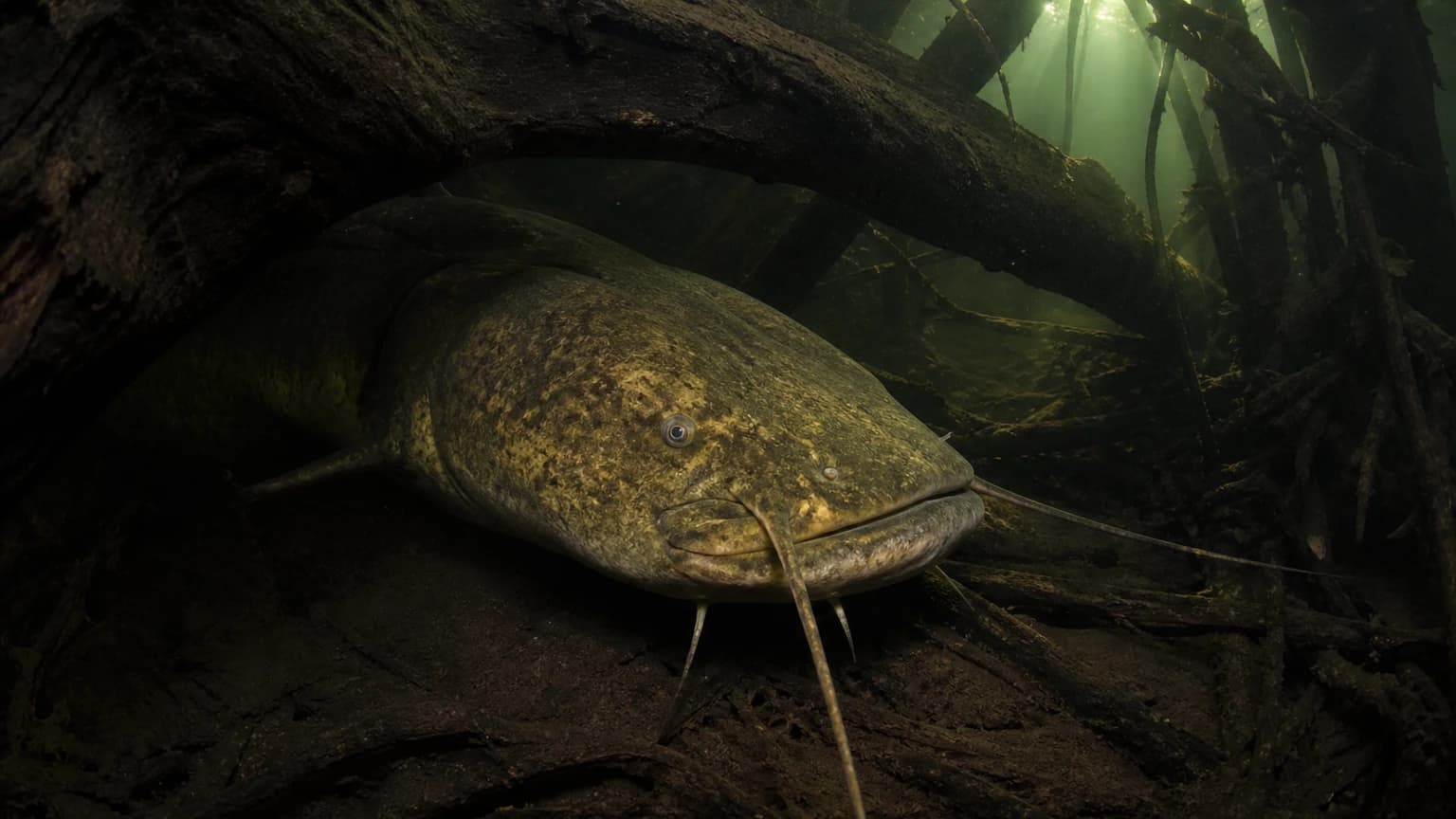
In north Missouri, flathead catfish spawn between the last week of June and the third week of July. Statewide, Missouri Department of Conservation puts it at late June and early July — later than channel catfish, which finish in June.
The reason your July trips are failing
This is the single most useful thing MDC publishes about flatheads, and almost nobody repeats it:
Flatheads "often feed heavily before and after spawning but seldom feed while actively spawning."
And, plainly:
"Flatheads spawn in late June and early July and generally don't bite well during that time."
So the early-July flathead lull is biology, not bad luck. You are not fishing the wrong bait or the wrong hole. The fish have largely stopped eating, and they will start again when they are finished.
What to do with that:
- Fish hard in June. Pre-spawn flatheads are feeding heavily and are as catchable as they get all year.
- Expect roughly three weeks of poor returns from the last week of June through the third week of July in the north of the state.
- Come back from late July. Post-spawn fish feed heavily again, and they do it through late summer and into autumn.
Planning around that window is worth more than any bait choice.
Flatheads are not on the same schedule as channel cats
Missouri's own agency draws the distinction explicitly. Flathead catfish spawn "in late spring or early summer (late June and July), somewhat later than the channel catfish."
| Species | Missouri spawning | Where |
|---|---|---|
| Channel catfish | Late May through June | Larger fish along rock riprap shorelines |
| Flathead catfish | Late June and July (north MO: last week of June – third week of July) | Cavities and beside large submerged objects |
That month of separation matters. A page that tells you "Missouri catfish spawn in June" has given you the channel catfish answer and left you fishing for flatheads through their shutdown.
What the nest looks like
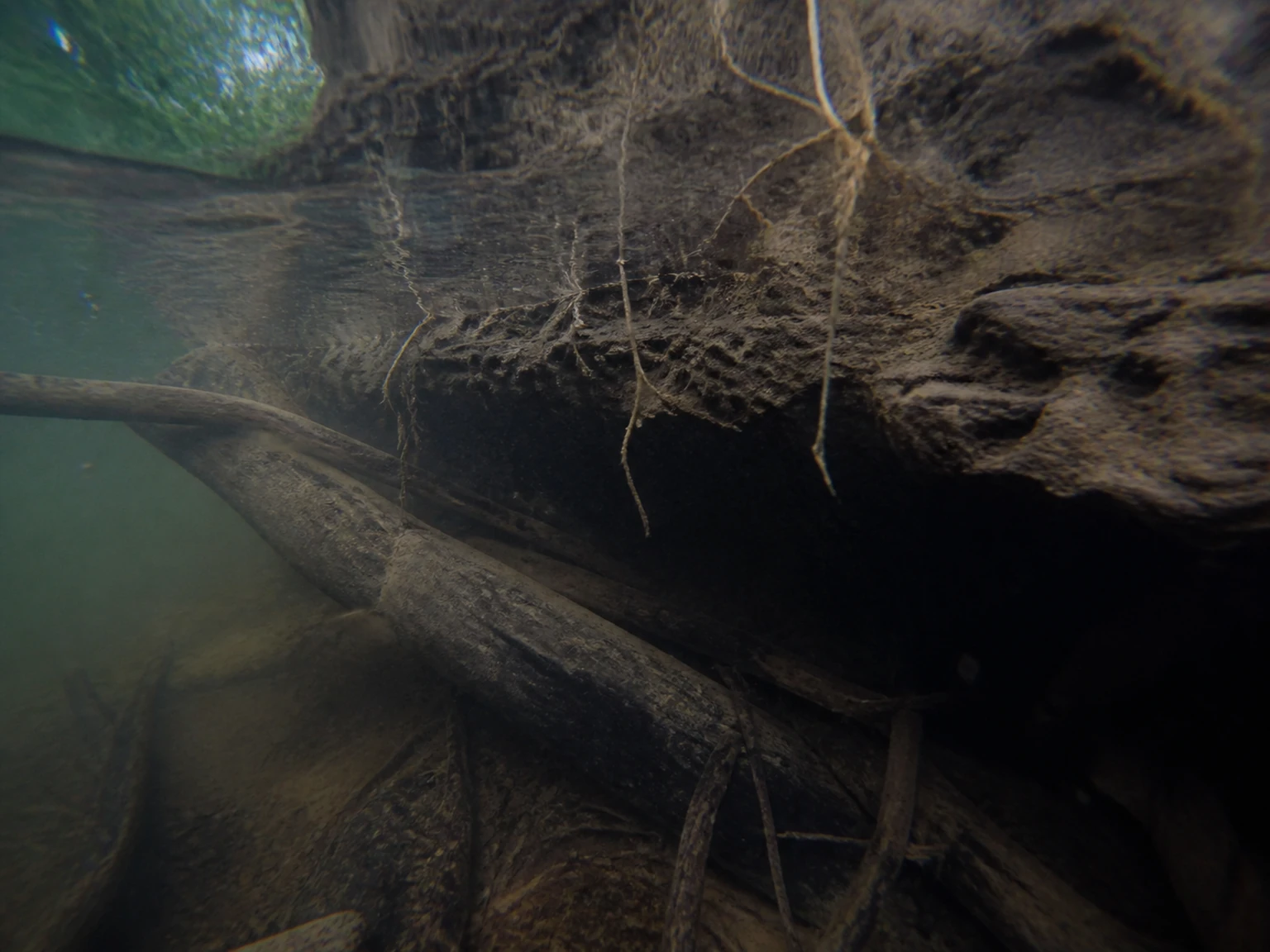
Flatheads do something more elaborate than most people expect. The parents excavate a saucer-shaped depression inside a natural cavity or near a large submerged object — hollow logs, undercut banks, holes under mud banks, root balls.
The egg mass is a compact, golden-yellow clump that may contain 100,000 eggs or more. That is an order of magnitude more than a channel catfish's roughly 10,000.
Then comes the part that is genuinely remarkable: the parent fish agitates the eggs continuously with fin movements, to keep them oxygenated and to flush away silt. It is active, sustained care, and it is why a spawning flathead will not leave the cavity to chase your bait.
After hatching, the young stay several days in a compact school near the nest, and the male guards the fry for about seven days.
Maturity — read this before you keep one
MDC: flatheads reach sexual maturity at four or five years old, or when they are about 18 inches long.
An 18-inch flathead is a fish that has just barely reached breeding age. Missouri produces genuinely large flatheads, and those fish took a long time to get there. Trophy-class flatheads are a slow-growing, long-lived resource, and the arithmetic on releasing big ones is not sentimental — it is the only way a river keeps producing them.
How to fish either side of the spawn
Live bait, and not much else. Flatheads feed mainly on live fish and crayfish, with mussels, snails and insects taken occasionally. They rarely take cut or prepared bait — which is the sharpest practical difference from channel cats. Live bluegill, green sunfish and shad are the standards.
Fish at night. Flatheads are largely inactive in daylight; MDC notes this directly.
Fish the structure they nest in. Larger pools and deep holes, tight to old brushy tangles, submerged logs and undercut banks. The same cavities that hold spawning fish hold feeding fish either side of it.
June, pre-spawn. Fish are feeding heavily and staging near the cavities they will use. The best combination of numbers and size all year.
Late July onward, post-spawn. Fish come back on the feed hard and stay there into autumn. Cooling water in September and October concentrates them in the deeper holes.
Related
- When do catfish spawn in Missouri? — how channel, blue and flathead compare across the state.
Sources
- Flathead Catfish — Missouri Department of Conservation field guide — late June and July spawning, later than channel catfish; the saucer-shaped depression in a cavity or near a large submerged object; the golden-yellow mass of 100,000+ eggs; continuous fin agitation to oxygenate and flush silt; fry schooling near the nest and the male guarding them about seven days; maturity at four or five years, or about 18 inches.
- Hunting Flathead Catfish — Missouri Conservationist — north Missouri spawning from the last week of June to the third week of July; flatheads feeding heavily before and after spawning but seldom while actively spawning, and not biting well during that period.
- Catfish: Tips For Fishing — Missouri Department of Conservation — channel catfish spawning late May through June along rock riprap; flatheads typically inactive in daytime and preferring live bait.
No spawning water temperature is given for flathead catfish because no agency source publishes a flathead-specific figure. Oklahoma's ODWC lists 75°F, but that text appears word-for-word on its channel and blue catfish pages too, so it is shared boilerplate rather than a species finding — and it conflicts with Missouri's explicit statement that flatheads spawn later than channel catfish. The dates above are MDC's observed north Missouri range.
Frequently asked questions
- When do flathead catfish spawn in Missouri?
- Late June and July. Missouri Department of Conservation is more specific for the north of the state: flatheads there generally spawn between the last week of June and the third week of July. This is distinctly later than channel catfish, which spawn from late May through June.
- Why can't I catch flatheads in early July?
- Because they have largely stopped eating. MDC states that flatheads feed heavily before and after spawning but seldom feed while actively spawning, and that they generally don't bite well during that period. The July lull is biological, not a reflection on your fishing.
- Do flathead catfish spawn at the same time as channel catfish?
- No. MDC states flatheads spawn somewhat later than channel catfish — roughly a month later. Channel cats spawn late May through June; flatheads late June into July. Most articles that give one date for 'catfish' are wrong for at least one of them.
- Where do flathead catfish build their nests?
- They excavate a saucer-shaped depression inside a natural cavity, or beside a large submerged object. Hollow logs, undercut banks and holes under mud banks are typical. A parent then agitates the egg mass continuously with fin movements to keep it oxygenated and free of silt.
- How big does a flathead have to be to spawn?
- MDC puts sexual maturity at four or five years old, or about 18 inches. That is worth knowing before you keep fish — an 18-inch flathead is only just old enough to have spawned once.
Gear for this
 HooksCheck price on Amazon
FishTrip Inline 5X Strong Circle Hooks
For bait sitting still in a cavity — and for releasing the big ones alive.
 AccessoriesCheck price on Amazon
Stream & Lake Water Thermometer
The one piece of kit every spawn article on this site tells you to carry.
ChronicAnglers is reader-supported. When you buy through links on our site, we may earn an affiliate commission at no extra cost to you.